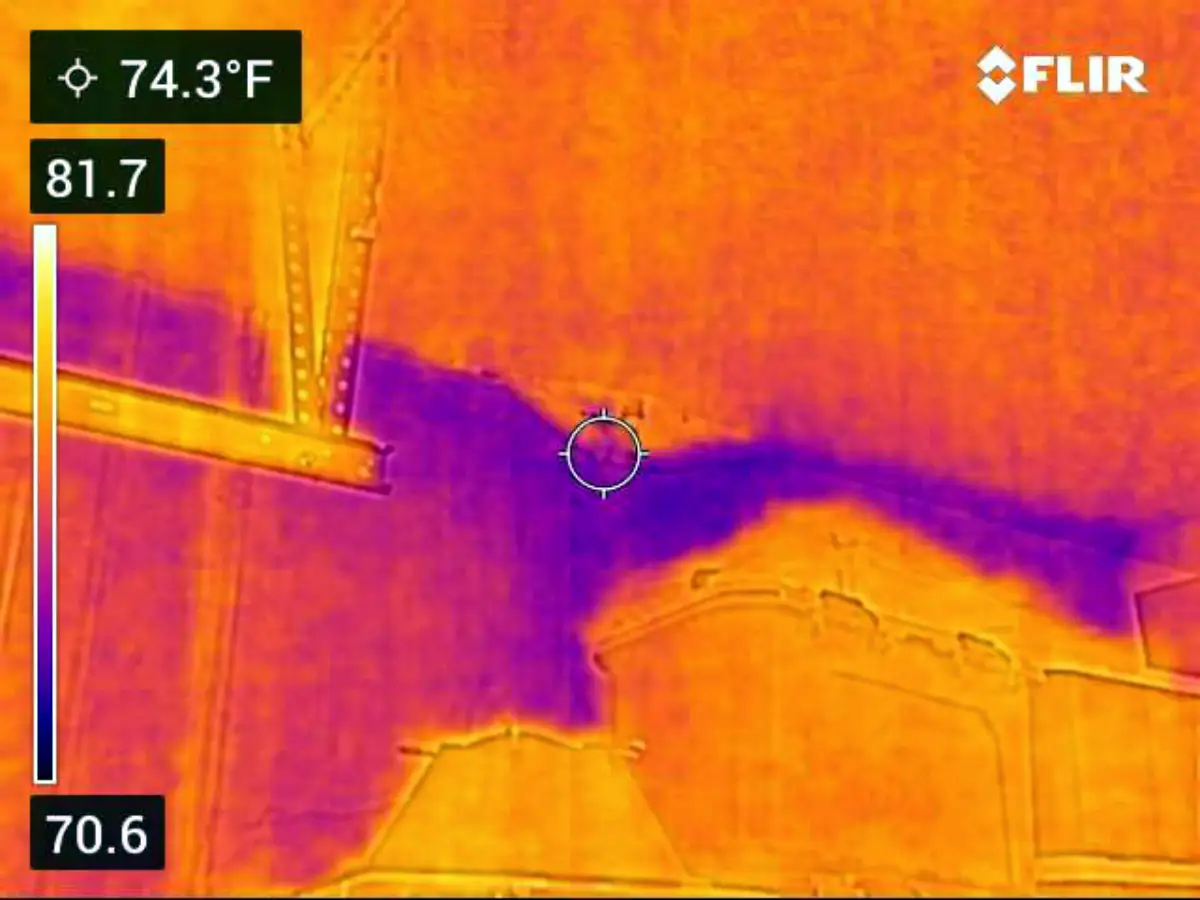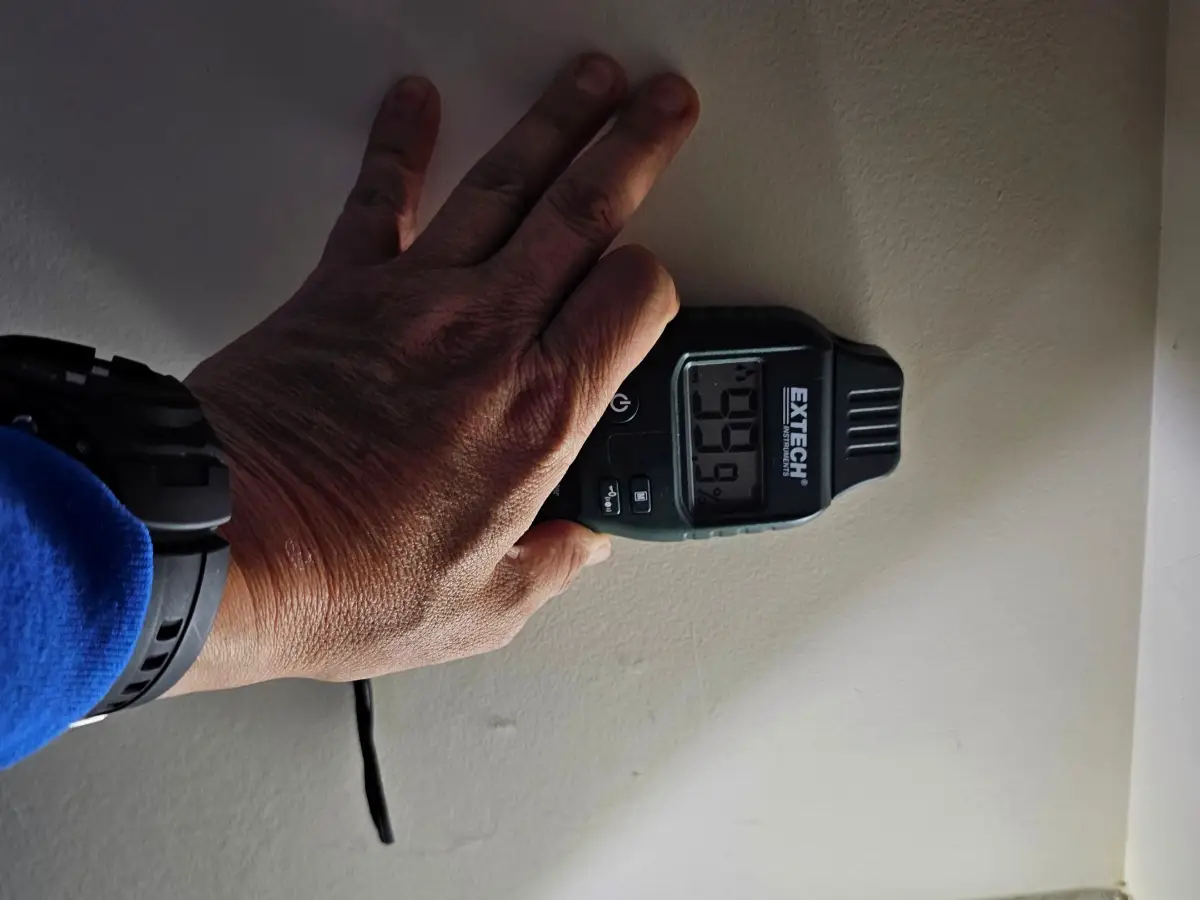
In the inspection world, we often say that water is like a silent squatter—it moves in, stays hidden, and eventually starts causing trouble. By the time you see a massive puddle, the damage has likely been happening for weeks.
As the 2026 Rookie Business of the Year, we’ve performed hundreds of inspections across Florida, and we’ve learned that the house always tells a story. You just have to know how to read the signs.
Red Flags
Here are the 5 red flags that mean it’s time to call in a professional.
1. The “Coffee Stain” (Discoloration)
This is the classic sign. If you see a yellow, brown, or copper-colored ring on your ceiling or walls, you have an active or historical leak.
- The Mold Finders Tip: Don’t just paint over it! If the stain feels damp or is growing in size, the “wicking effect” is pulling water through your drywall. Painting over a stain is like putting a band-aid on a broken pipe.
2. Bubbling or Peeling Paint
When water gets trapped between the drywall and the paint, it has nowhere to go. This causes the paint to lose its bond, leading to bubbles, “blisters,” or peeling sections.
- The Red Flag: If your baseboards look like they are “swelling” or pulling away from the wall, you likely have a leak coming from the floor or a pipe behind the wall.
3. The “Old Library” Smell (Musty Odors)
You know the smell—damp, earthy, or like a wet dog. That isn’t just “old house smell”; it’s the scent of microbial volatile organic compounds (mVOCs). In plain English? It’s the smell of mold growing.
- The Reality Check: If the smell gets stronger when the AC is running or when it rains, the source is likely inside your wall cavities or your HVAC system.
4. Warped or “Cupped” Flooring
Whether it’s the wood floors in your closet or the laminate in your kitchen, flooring should be flat. If the edges of the planks are starting to turn upward (cupping) or the floor feels “spongy,” there is moisture underneath.
- Why it matters: Wood is a primary food source for Stachybotrys. If your wood floors stay wet, a mold “party” is almost guaranteed.
5. Sudden Spikes in Humidity
In Florida, we expect it to be humid outside, but your home should be an oasis. If your windows are constantly “foggy” or your skin feels clammy indoors, check your thermostat.
- The 60% Rule: If your indoor relative humidity is consistently above 60%, you are in the danger zone. High humidity alone can trigger mold growth on furniture, clothes, and walls even without a pipe leak.
Don’t Guess—Verify.
Water damage is a race against the clock. If you notice any of these signs, don’t wait for the mold to show up.
At Mold Finders, we use thermal imaging and precision moisture mapping to find exactly where the water is hiding before it becomes a health hazard. As the 2026 Rookie Business of the Year, we are committed to giving you the truth about your home’s health.
Think you might have a hidden leak? Contact Mold Finders today for a professional assessment.